

 en
en
 English
 繁体中文
繁体中文 Japanese
 Korean
 Russian
 German
News
Deepen Optoelectronic Resources, Lead Technological Breakthroughs


Deepen Optoelectronic Resources, Lead Technological Breakthroughs
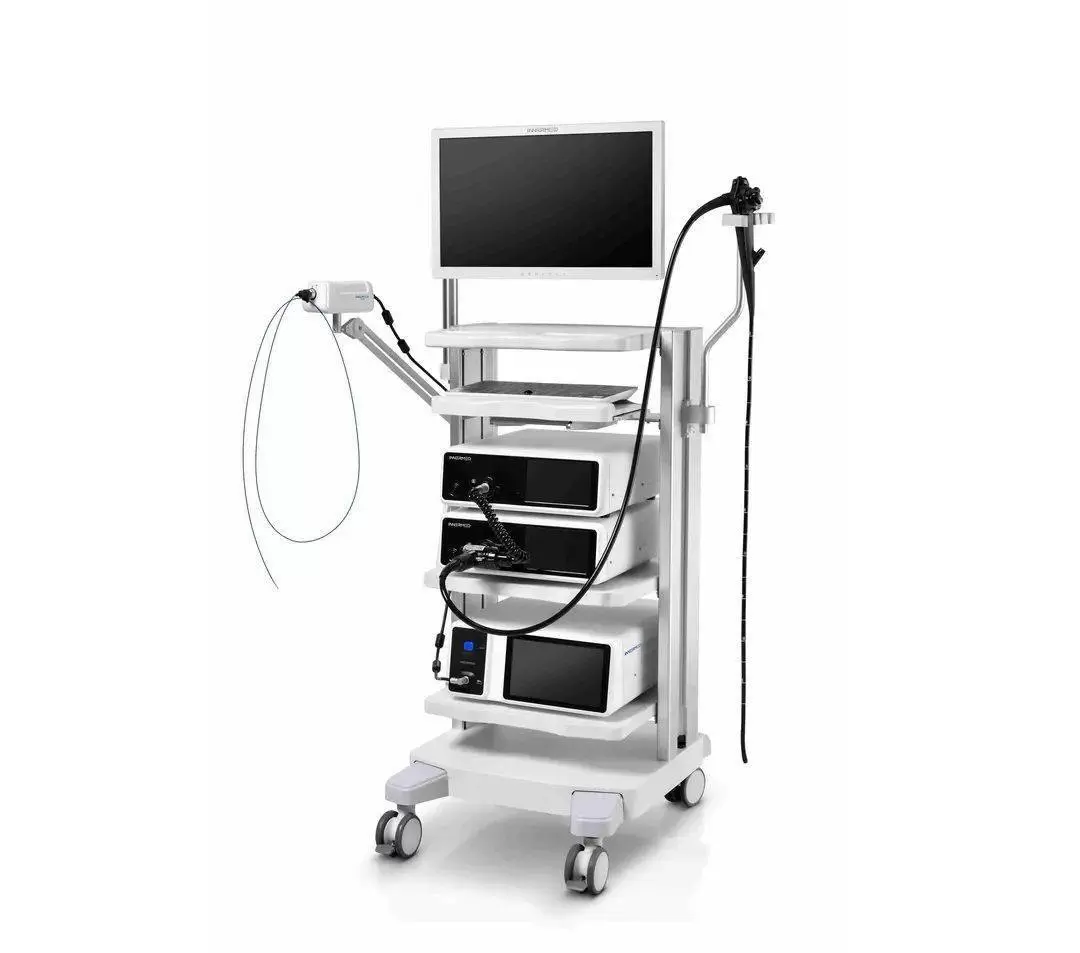
Endoscope is a medical device that can enter the body through natural channels or incisions for examination, treatment, and other procedures. According to different purposes and structures, endoscopes can be classified into various types.
1. Gastrointestinal endoscopy
Gastrointestinal endoscopy is an endoscope used to examine the gastrointestinal tract. It can enter the body through the mouth or anus to examine areas such as the esophagus, stomach, duodenum, and colon. Gastrointestinal endoscopy can examine lesions, tumors, ulcers, and other diseases in the digestive tract, and perform treatment procedures such as biopsy and resection.
2. Bronchoscopy
Bronchoscopy is an endoscope used to examine the respiratory tract. It can enter the body through the oral or nasal cavity to examine areas such as the trachea and bronchi. Bronchoscopy can detect respiratory diseases such as lesions, tumors, inflammation, and perform treatment procedures such as biopsy and resection.
3. Cystoscopy
Cystoscopy is an endoscope used to examine the urinary system. It can enter the body through the urethra and examine areas such as the bladder and urethra. Cystoscopy can detect lesions, tumors, inflammation, and other diseases in the urinary system, and perform treatment procedures such as biopsy and resection.
4. Laryngoscope
A laryngoscope is an endoscope used to examine the throat. It can enter the body through the mouth and be used to examine areas such as the throat and vocal cords. A laryngoscope can examine lesions, tumors, inflammation, and other diseases in the throat, and perform treatment procedures such as biopsy and resection.
5. Laparoscopy
Laparoscopy is an endoscope used to examine the interior of the abdominal cavity. It can enter the body through an abdominal incision to examine organs, tissues, and other parts of the abdominal cavity. Laparoscopy can examine lesions, tumors, inflammation, and other diseases in the abdominal cavity, and perform treatment procedures such as resection and repair.
6. Cardiac catheterization
A cardiac catheter is an endoscope used to examine the heart. It can enter the body through veins to examine the internal structure, function, and other conditions of the heart. Cardiac catheterization can detect diseases such as heart disease and cardiovascular malformations, and perform interventional therapy, surgery, and other procedures.
Endoscope is a very important medical device that can help doctors make precise diagnoses and treatments. Different types of endoscopes are suitable for different parts and diseases, and doctors need to choose the appropriate endoscope for operation according to specific situations.

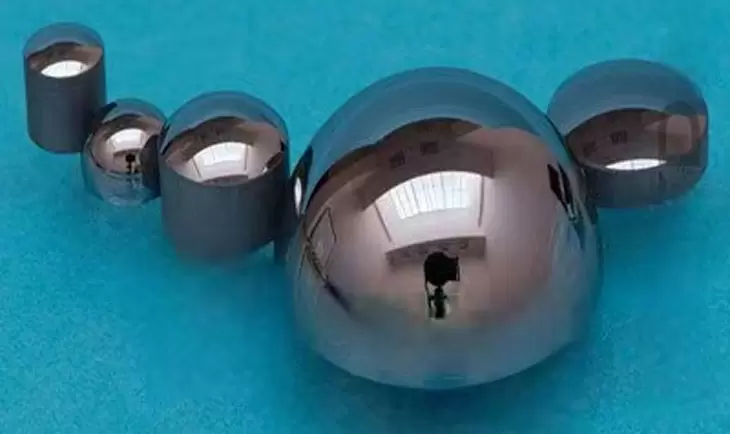
A Micro Lens Array is a two-dimensional array composed of many tiny lenses. Each micro lens can focus the incident light onto a small area, and by controlling the focal length and position of each micro lens, control and adjustment of the light can be achieved.
Terahertz waves refer to electromagnetic waves with frequencies ranging from 0.1 to 10 THz (wavelength 30 μ m-3 mm), between microwave and infrared, and were once known as the "THz Gap" due to technological limitations.
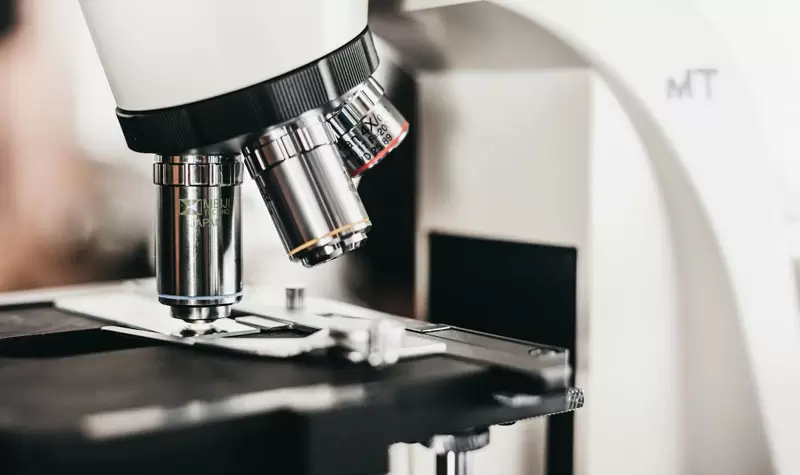
The objective lens is the most important optical component of a microscope, which uses light to image the object for the first time. Therefore, it directly affects the quality of imaging and various optical technical parameters, and is the primary standard for measuring the quality of a microscope.