

 en
en
 English
 繁体中文
繁体中文 Japanese
 Korean
 Russian
 German
News
Deepen Optoelectronic Resources, Lead Technological Breakthroughs
Deepen Optoelectronic Resources, Lead Technological Breakthroughs
 2026.03.27
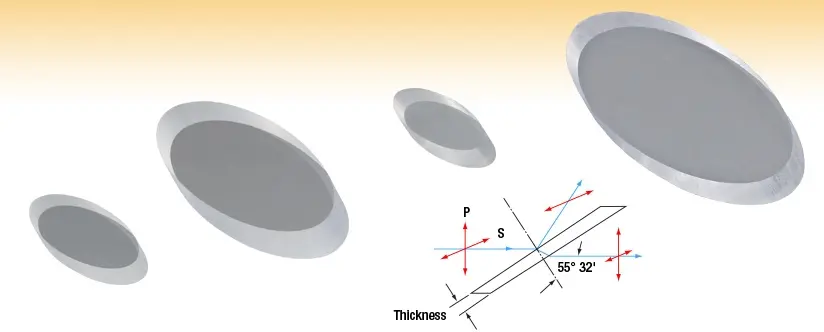
 Brewster windows are critical uncoated optical components in high-power laser systems, enabling zero‑reflection-loss transmission for p‑polarized light at Brewster’s angle while suppressing s-polarized light.
 2026.03.17
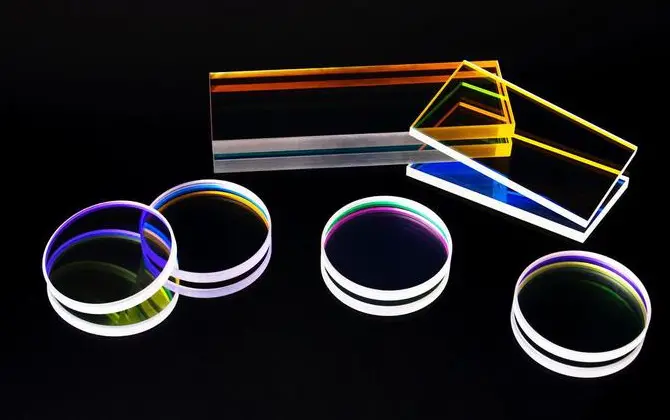
 In the world of precision optics, thin-film coatings are what transform a simple piece of glass into a functional optical component—whether it's an anti-reflection coating that maximizes light transmission, a dielectric mirror that reflects specific wavelengths, or a filter that precisely separates spectral bands . The performance of these coatings directly determines whether an optical system succeeds or fails. But how do manufacturers verify coating quality without risking damage to expensive
 2026.03.10
 2026.02.04
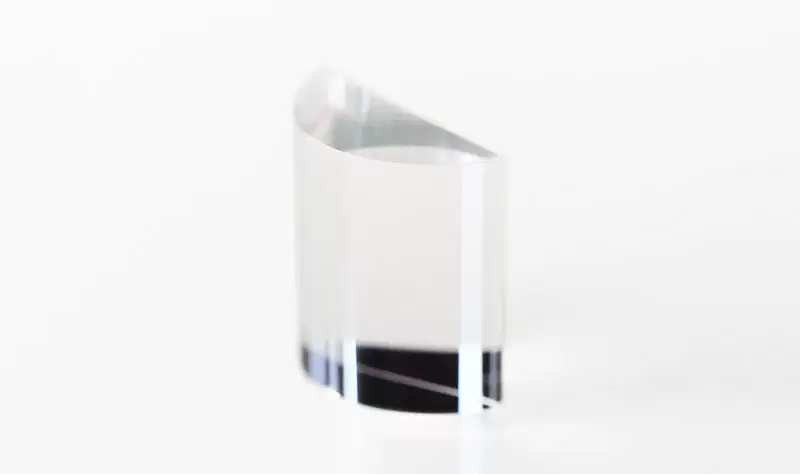
 Cylindrical mirror is a special optical component, and its working principle and application scenarios are significantly different from traditional spherical mirrors.
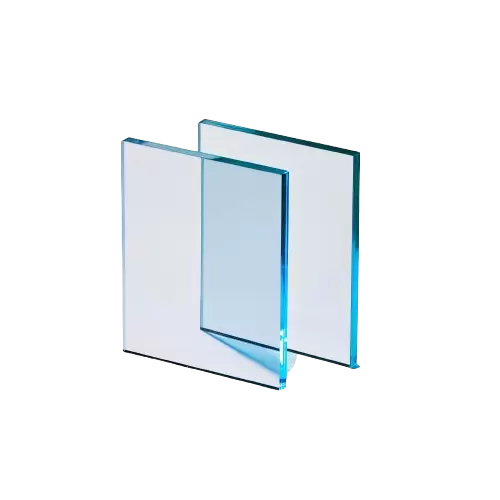
In laser equipment, imaging systems, optical instruments and precision detection equipment, an optical window is not simply a transparent protective plate. It sits directly in the optical path, so its surfaces can influence reflection, beam deviation, wavefront quality and the amount of light reaching the next optical element.

In compact optical systems, conventional multi-element lens assemblies can introduce unnecessary complexity. More components mean more mechanical interfaces, tighter alignment requirements, greater installation space, and potentially higher assembly costs. These limitations become more noticeable when the optical path must fit into a small package or when light needs to be coupled efficiently over a short working distance.
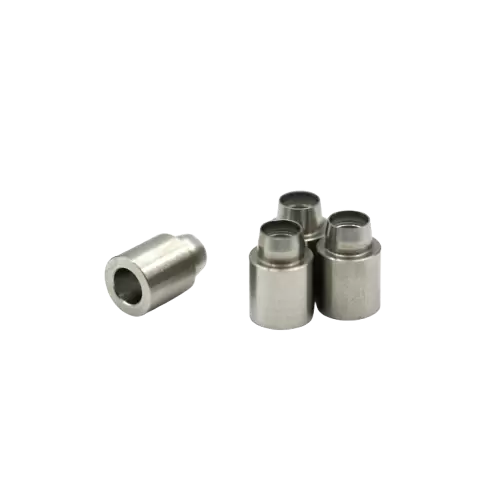
A collimator lens is a critical optical component when a laser system needs a controlled, stable beam for subsequent delivery, focusing, beam shaping, or processing. In demanding applications, a conventional lens may not provide sufficient collimation accuracy, transmission, or wavefront control.
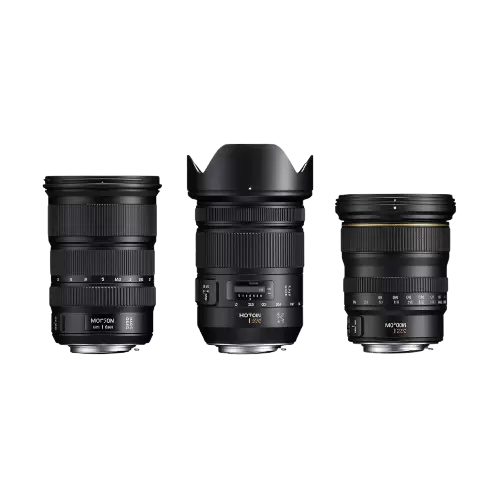
In industrial machine vision, lens selection directly affects whether a camera can produce images that are stable enough for measurement, inspection, and recognition. A consumer-grade lens or an unsuitable zoom lens may introduce changes in field of view, focus, magnification, or distortion when the focal setting changes.
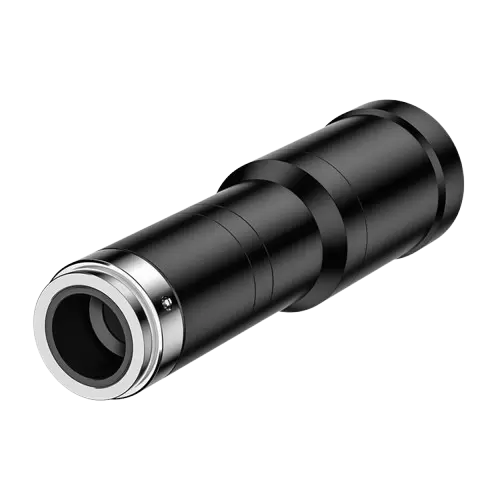
In precision machine vision, the lens can become a limiting factor even when the camera sensor and image-processing software are capable of resolving small dimensional differences. A conventional lens changes its apparent magnification as the object moves closer to or farther from the lens.
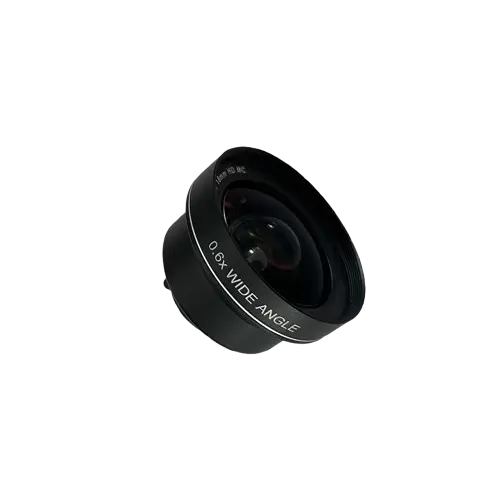
Conventional wide-angle lenses can capture more of a scene than standard lenses, but their field of view can still be insufficient when a vision system needs to cover a large area from a restricted installation position.