

 en
en
 English
 繁体中文
繁体中文 Japanese
 Korean
 Russian
 German
News
Deepen Optoelectronic Resources, Lead Technological Breakthroughs

Deepen Optoelectronic Resources, Lead Technological Breakthroughs
 2026.03.27
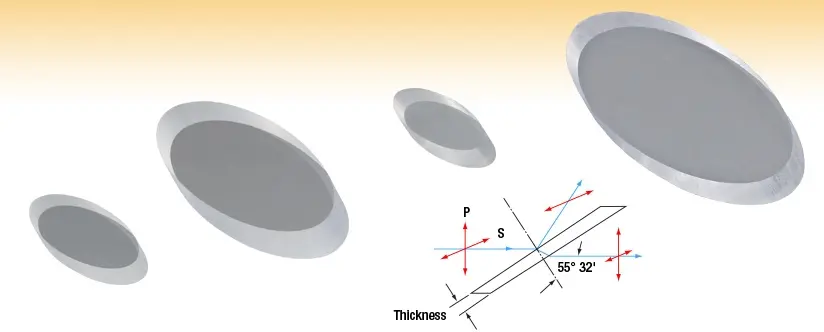
 Brewster windows are critical uncoated optical components in high-power laser systems, enabling zero‑reflection-loss transmission for p‑polarized light at Brewster’s angle while suppressing s-polarized light.
 2026.03.17
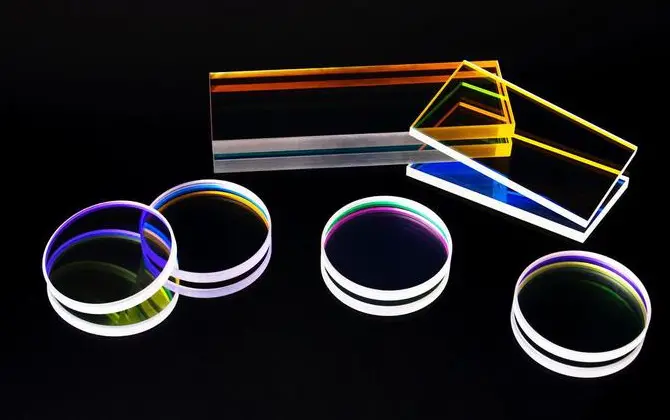
 In the world of precision optics, thin-film coatings are what transform a simple piece of glass into a functional optical component—whether it's an anti-reflection coating that maximizes light transmission, a dielectric mirror that reflects specific wavelengths, or a filter that precisely separates spectral bands . The performance of these coatings directly determines whether an optical system succeeds or fails. But how do manufacturers verify coating quality without risking damage to expensive
 2026.03.10
 2026.02.04
 Cylindrical mirror is a special optical component, and its working principle and application scenarios are significantly different from traditional spherical mirrors.
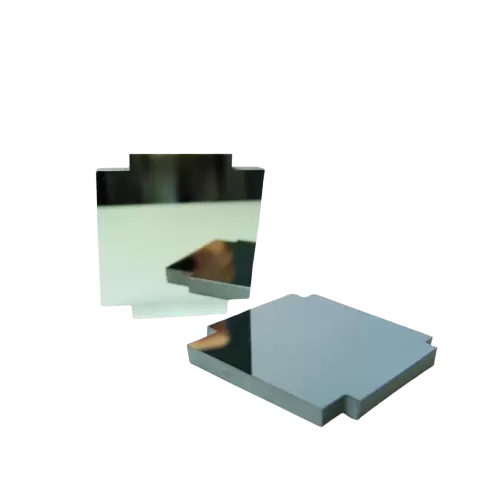
In high-performance optical systems, the mirror is not simply a component that redirects light. Its reflection efficiency, thermal behavior, and wavelength compatibility can directly influence the stability and output performance of the entire system.
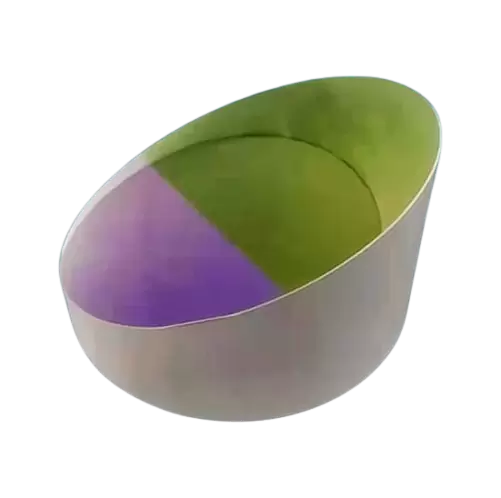
In many advanced optical systems, traditional mirrors and lenses begin to show limitations when designers need higher energy efficiency, broader wavelength compatibility, and more stable beam control. Spherical mirrors can introduce spherical aberration, while transmission lenses may suffer from chromatic effects, absorption losses, and thermal problems when exposed to high-power laser beams.
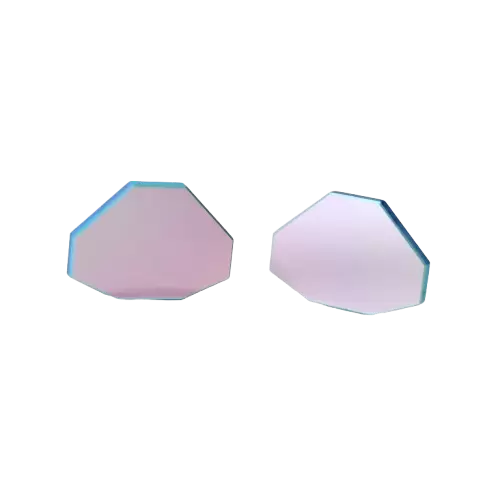
Modern laser processing systems are expected to achieve higher throughput while maintaining consistent positioning accuracy. However, many traditional laser scanning solutions face limitations when operating at high speeds.
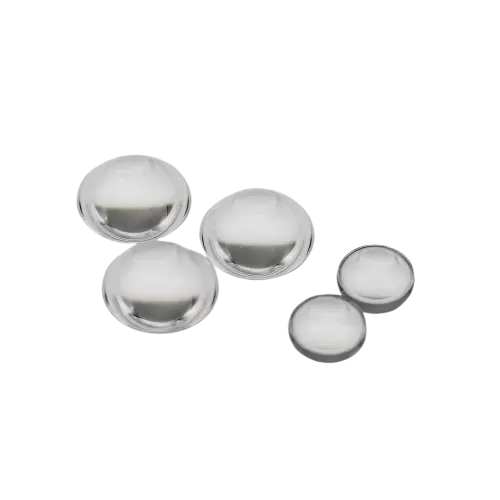
In many optical systems, the limitation is no longer the optical design itself but the ability to manufacture the lens surface with enough accuracy. Laser systems, semiconductor inspection equipment, aerospace optics, and high-resolution imaging platforms increasingly require aspherical lenses with tighter tolerances, lower scattering, and better wavefront control.
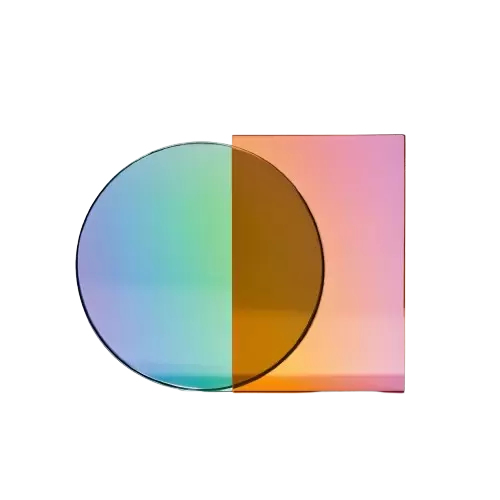
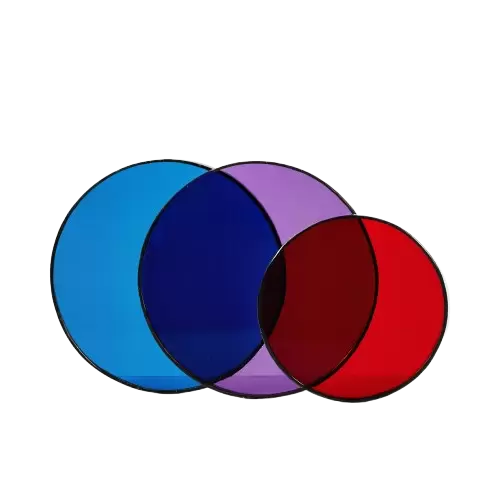
In high-performance optical systems, controlling color is not simply about blocking unwanted light. Engineers working on LED lighting, laser equipment, projection systems, and imaging platforms need precise wavelength management, high transmission efficiency, and stable spectral performance over long operating periods.
Selecting the right bandpass filter is not simply a matter of choosing a component that allows certain signals to pass. In optical systems, wireless communication equipment, and precision measurement devices, filter performance directly affects signal quality, detection accuracy, and system reliability.