

 en
en
 English
 繁体中文
繁体中文 Japanese
 Korean
 Russian
 German
News
Deepen Optoelectronic Resources, Lead Technological Breakthroughs


Deepen Optoelectronic Resources, Lead Technological Breakthroughs
 2026.03.27
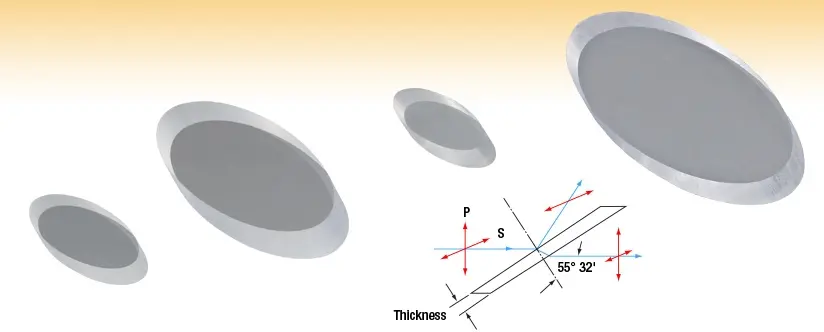
 Brewster windows are critical uncoated optical components in high-power laser systems, enabling zero‑reflection-loss transmission for p‑polarized light at Brewster’s angle while suppressing s-polarized light.
 2026.03.17
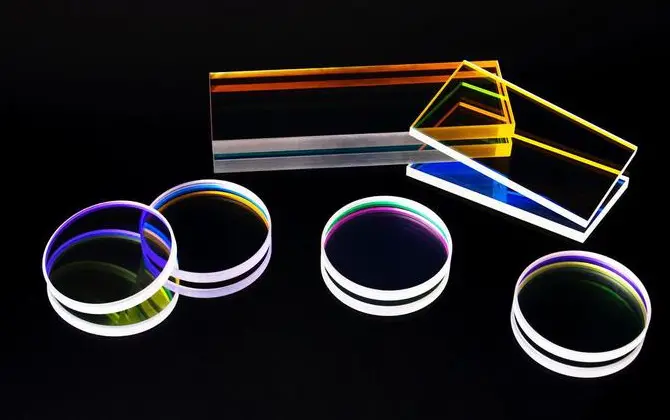
 In the world of precision optics, thin-film coatings are what transform a simple piece of glass into a functional optical component—whether it's an anti-reflection coating that maximizes light transmission, a dielectric mirror that reflects specific wavelengths, or a filter that precisely separates spectral bands . The performance of these coatings directly determines whether an optical system succeeds or fails. But how do manufacturers verify coating quality without risking damage to expensive
 2026.03.10
 2026.02.04
 Cylindrical mirror is a special optical component, and its working principle and application scenarios are significantly different from traditional spherical mirrors.
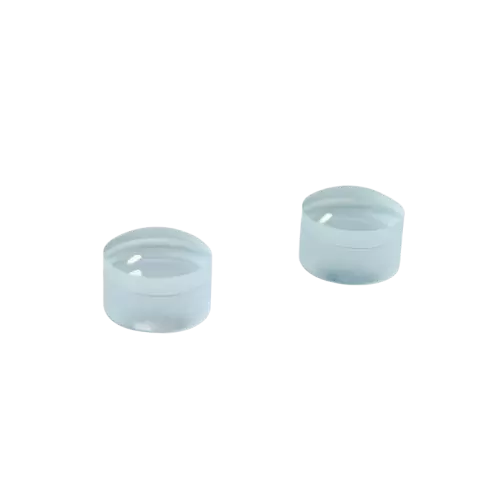
A conventional singlet lens can be sufficient for simple focusing or collimation, but its limitations become more apparent when an optical system must work across multiple wavelengths. Because different wavelengths are refracted by different amounts, blue, green, and red light may form their focal points at different axial positions.
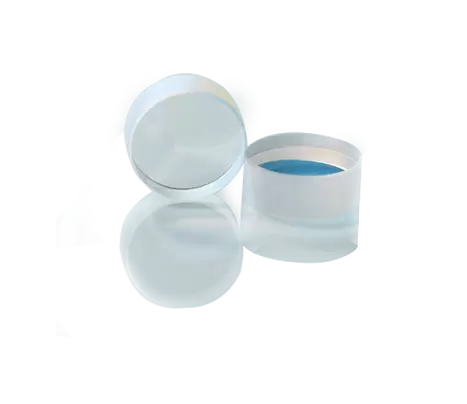
For optical engineers and procurement teams, choosing a plano convex lens is rarely just a matter of selecting a diameter and focal length. A lens that appears simple can produce very different results depending on its material, curvature, surface accuracy, center deviation, coating, and installation direction.
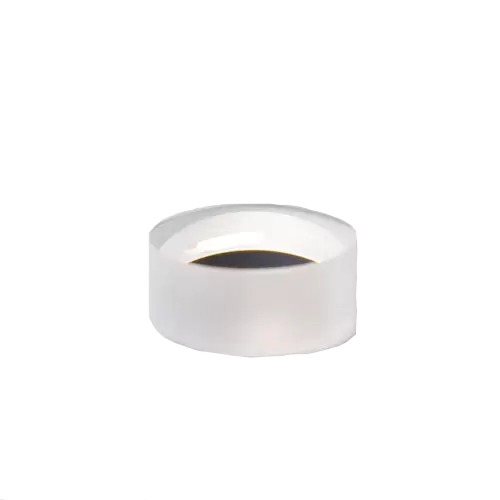
For optical engineers and procurement teams, choosing a plano concave lens is rarely just a matter of selecting a diameter. A lens may need to produce a specific negative focal length, control beam divergence, compensate spherical aberration, or work reliably at a particular wavelength.

Traditional multi-element optical assemblies are not always the best solution when an optical system needs to become smaller. Multiple lenses introduce more components to align, defined optical-axis orientations, additional mechanical spacing, and greater assembly complexity.
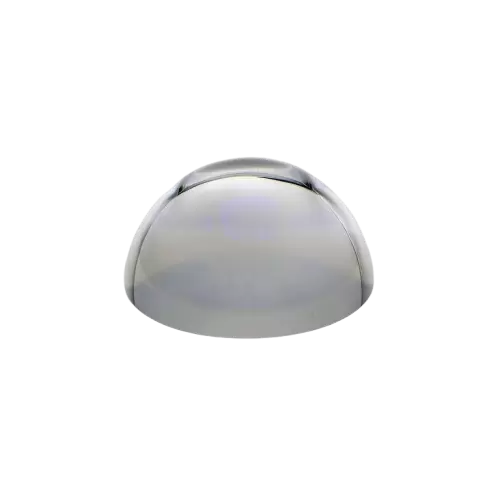
When conventional spherical lenses are integrated into compact optoelectronic systems, the optical performance of the lens is only part of the engineering challenge. A complete spherical lens can be difficult to position, reference, and secure because its curved surface provides limited mechanical datum surfaces.
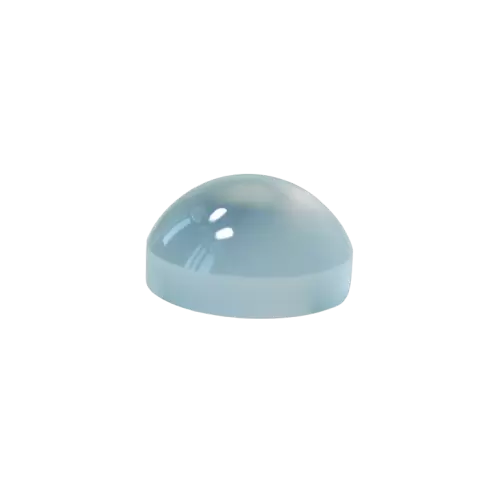
Standard hemispherical lenses are useful in many optical assemblies, but they are not always suitable when an optical system requires a specific geometry, material, wavelength response, or integration envelope.