

 en
en
 English
 繁体中文
繁体中文 Japanese
 Korean
 Russian
 German
News
Deepen Optoelectronic Resources, Lead Technological Breakthroughs

Deepen Optoelectronic Resources, Lead Technological Breakthroughs
Endoscope is a medical tool used to examine organs and tissues inside the human body. It consists of a soft long tube with a small light source and camera at one end, which can transmit images to a display for doctors to observe.
The principle of endoscope is to use optical imaging and transmission technology. Firstly, the light source of the endoscope emits light into the human body, illuminating the organs or tissues being examined. Then, these rays will be reflected or scattered and transmitted back to the camera of the endoscope.
The camera is the core component of an endoscope. It includes a lens system and an image sensor. The lens system is responsible for focusing light, making the image of the observed organ or tissue clear and distinct. Image sensors convert light into electrical signals and transmit them to the display through cables.
A monitor is usually a high-resolution screen used to display images transmitted from a camera. Doctors can evaluate the condition of organs or tissues by observing the images on the monitor.
The endoscope is also equipped with other tools such as forceps, blades, and suction devices. These tools can enter the human body through the side holes of endoscopes for procedures such as biopsy, tissue cutting, or removal of foreign objects.
Endoscopes are widely used in various medical fields, such as the digestive tract, urinary tract, respiratory tract, and gynecology. It has the advantages of non invasive, accuracy, and visualization, which can help doctors make early diagnosis and treatment, and improve medical effectiveness.
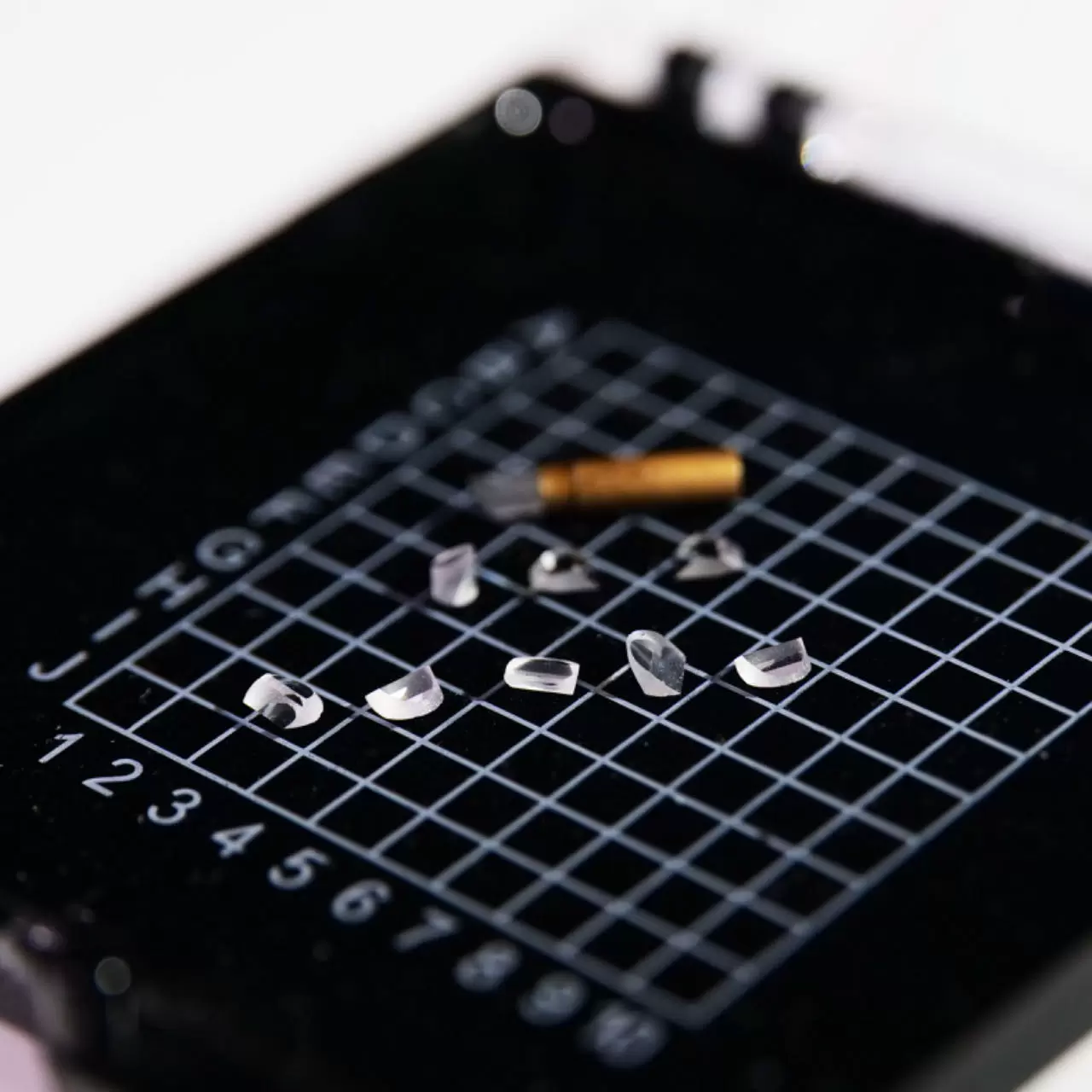
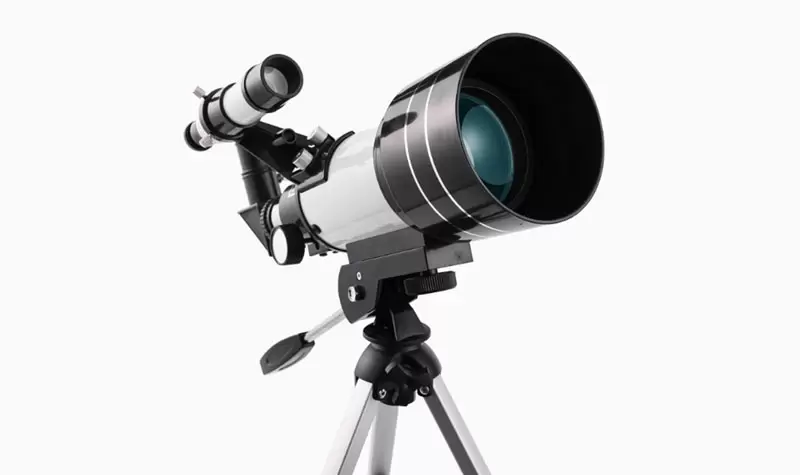
A reflective telescope is a telescope that uses the principle of reflection to image, and its imaging principle and optical path are different from those of a refracting telescope. Reflective telescopes use convex lens to reflect light, and then project an image through a small lens placed at the focal point, thereby achieving the function of magnifying distant objects.
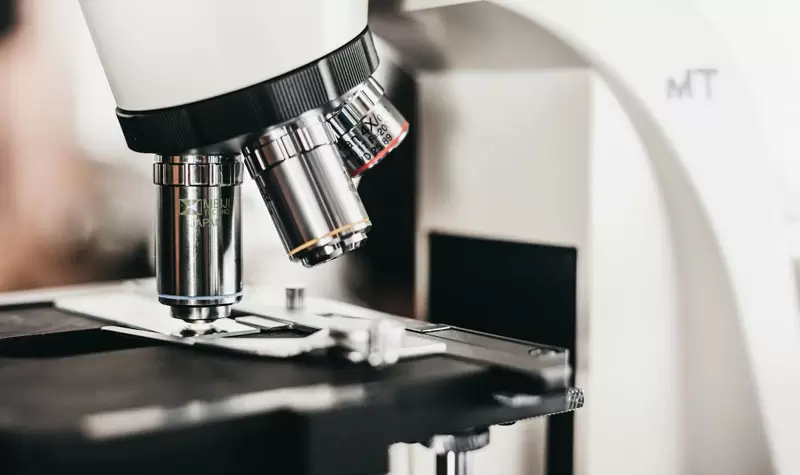
The objective lens is the most important optical component of a microscope, which uses light to image the object for the first time. Therefore, it directly affects the quality of imaging and various optical technical parameters, and is the primary standard for measuring the quality of a microscope.

Calcium fluoride (CaF2) crystals play an irreplaceable role in the high-end optical field due to their unique optical properties. Its core advantages lie in its deep ultraviolet transmission capability and optical isotropy (without birefringence), making it the preferred material in multiple key fields.