

 en
en
 English
 繁体中文
繁体中文 Japanese
 Korean
 Russian
 German
News
Deepen Optoelectronic Resources, Lead Technological Breakthroughs

Deepen Optoelectronic Resources, Lead Technological Breakthroughs
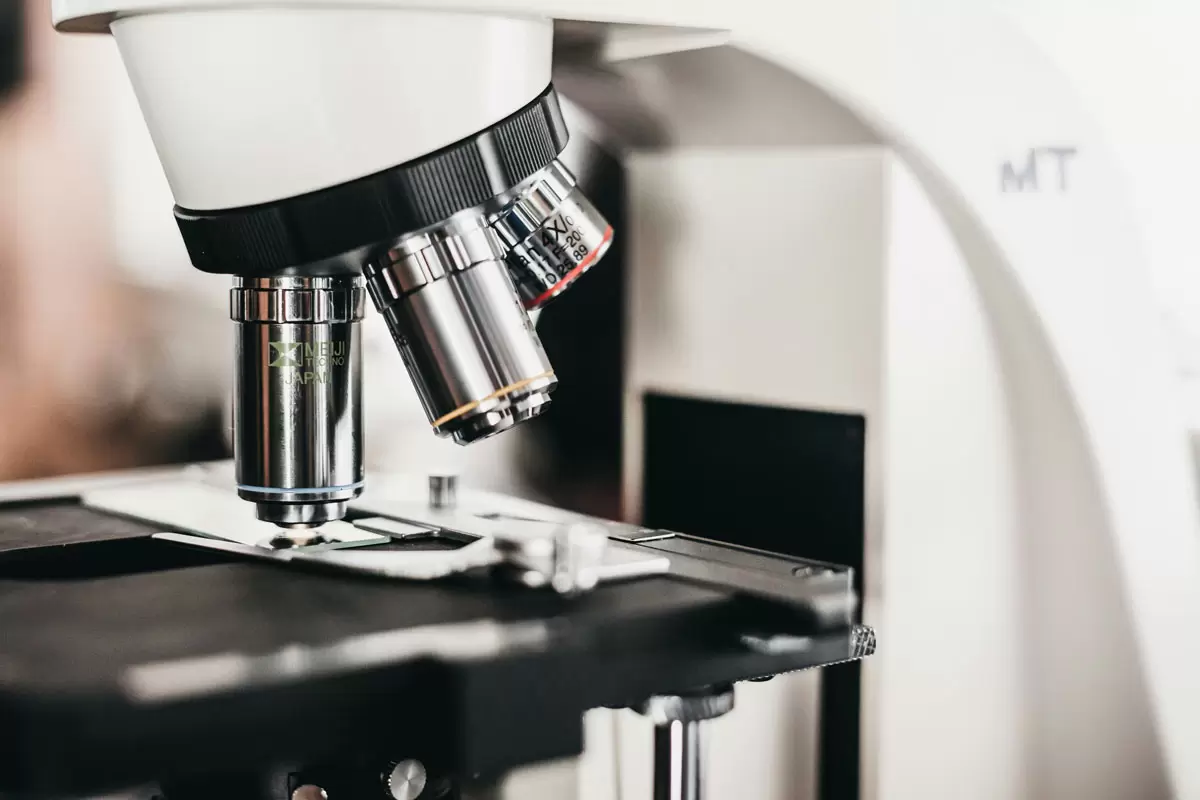
The objective lens is the most important optical component of a microscope, which uses light to image the object for the first time. Therefore, it directly affects the quality of imaging and various optical technical parameters, and is the primary standard for measuring the quality of a microscope. The international standard for objective lens testing is based on ZEISS objectives. The structure of the objective lens is complex and the production is precise. Due to the correction of aberrations, the metal object tube is composed of lens groups that are fixed at a certain distance from each other. There are many specific requirements for the objective lens, such as alignment and focus. During lens inspection, when observing a clear image with an objective lens of a certain magnification, the imaging should also be basically clear when switching to another magnification lens, and the center deviation of the image should also be within a certain range, that is the degree of axis alignment. The quality of the microscope is determined by the quality of the objective lens itself and the accuracy of the objective converter, as well as the quality of the focusing performance and the degree of axis alignment.
There are many types of traditional objective lenses, which can be classified according to the degree of chromatic aberration correction based on the position of the objective lens:
1. Achromatic objective: This is a common objective lens, with the word "Ach" often on the housing. This type of objective lens can only correct the positional chromatic aberration (red, blue) and spherical aberration (yellow green light) of points on the axis, as well as eliminate the coma aberration of points near the axis. Cannot correct chromatic aberration and spherical aberration of other colors, and the field curvature is very large. The earliest achromatic objective lenses were manufactured by ZEISS.
2. Apochromatic objective: The structure of the apochromatic objective lens is complex, and the lens is made of special glass or fluorite materials. The outer shell of the objective lens is marked with the word "Apo". This type of objective lens can not only correct the chromatic aberration of red, green, and blue colors, but also correct the spherical aberration of red and blue colors. Due to its excellent correction of various aberrations, the achromatic objective lens has a larger numerical aperture than the response magnification, which not only has high resolution and excellent image quality, but also has a higher effective magnification. Therefore, the performance of the apochromatic objective lens is high and suitable for advanced research microscopy and microphotography. The perfect apochromatic objective lens is manufactured by ZEISS In 2004, ZEISS launched the research grade ICCS objective, which further corrected magnification chromatic aberration and strain free on the basis of traditional flat field apochromatic objectives, enhanced short wavelength transmittance, and increased contrast, significantly improving resolution.
3. Semi apochromatic objective: Semi apochromatic objective lens, also known as fluorite objective lens, is marked with the word "FL" on the outer shell of the objective lens. In terms of structure, it has more lenses than apochromatic objective lens and fewer lenses than apochromatic objective lens. In terms of imaging quality, it is much better than apochromatic objective lens and close to apochromatic objective lens. A flat field objective lens is a thick lens with a fast half moon shape added to the lens system of the objective lens to correct the defect of field curvature. The field of view of a flat field objective lens is flat, making it more suitable for mirror inspection and microscopic photography.
4. Special objective lens: The so-called "special objective lens" is designed and manufactured specifically for achieving certain specific observation effects based on the above-mentioned objective lens. There are mainly the following types:
(1) Correction collar objective;
(2) Iris diaphragm objective;
(3) Phase contrast objective;
(4) No cover objective;
(5) Long working distance objective lens.
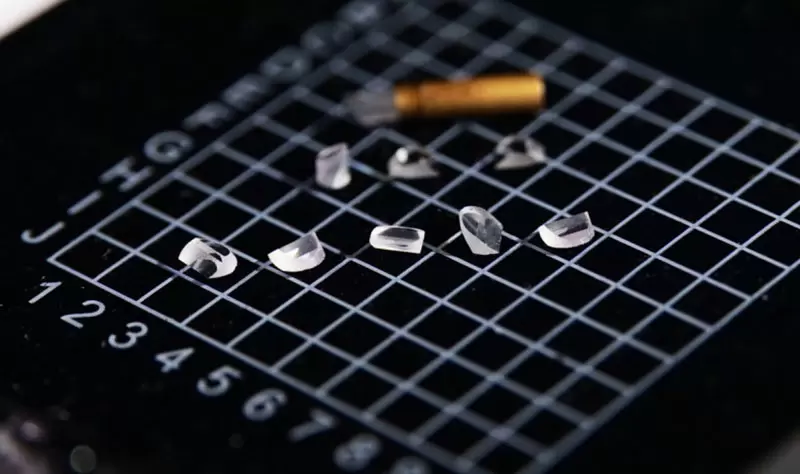
Endoscope is a medical tool used to examine organs and tissues inside the human body. It consists of a soft long tube with a small light source and camera at one end, which can transmit images to a display for doctors to observe.
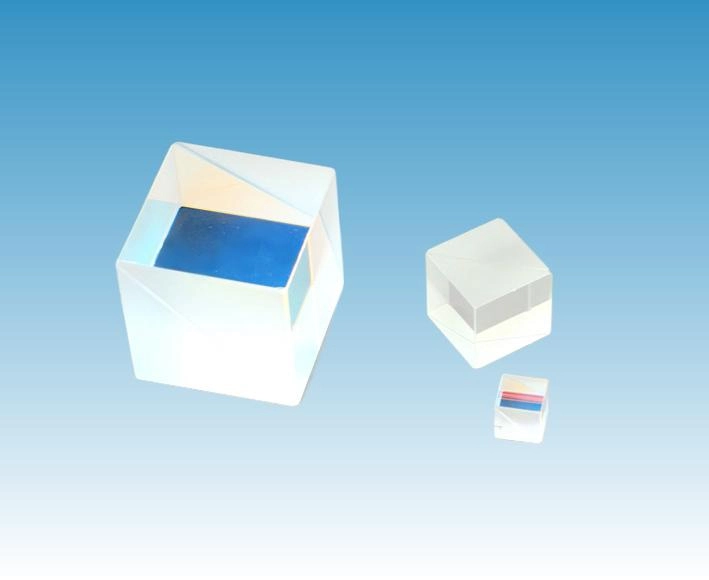
The cubic spectroscopic prism is an optical component with special geometric shape and optical properties, which is usually used for spectral analysis, refraction or changing the direction of light propagation.
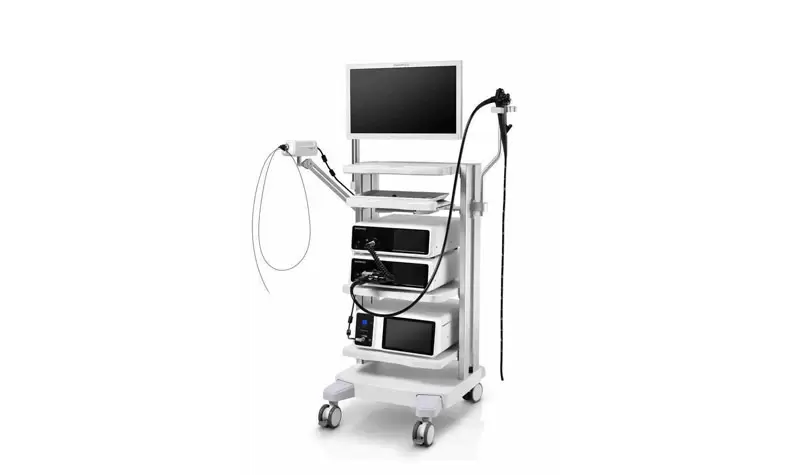
Endoscope is a medical device that can enter the body through natural channels or incisions for examination, treatment, and other procedures. According to different purposes and structures, endoscopes can be classified into various types.