Home / Custom / Optical Components / Optical Spherical Lens / Ball Lens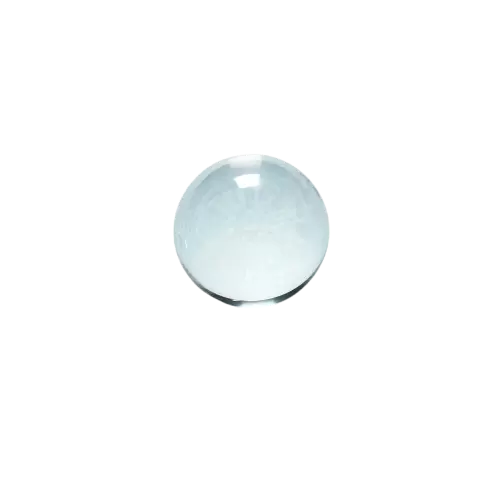
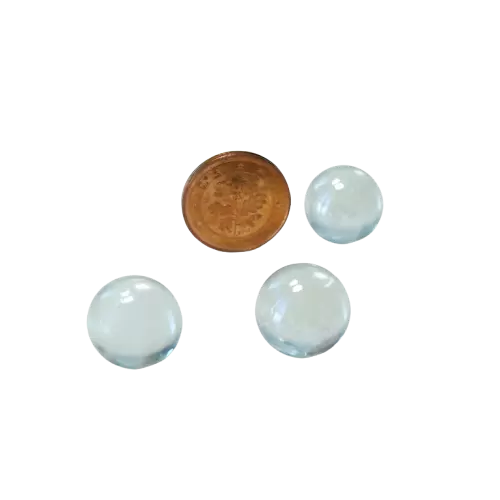
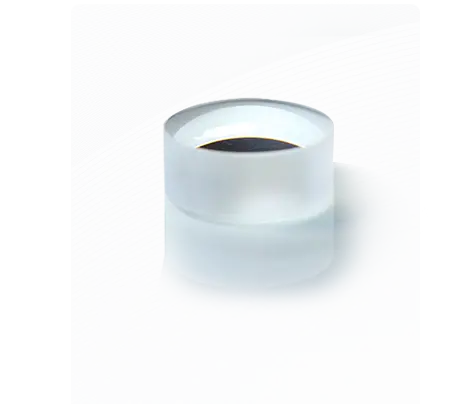
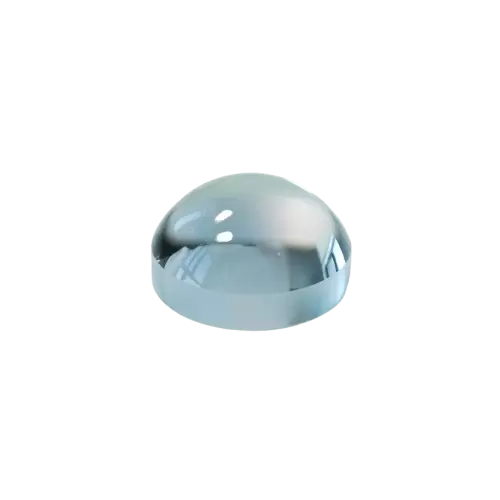
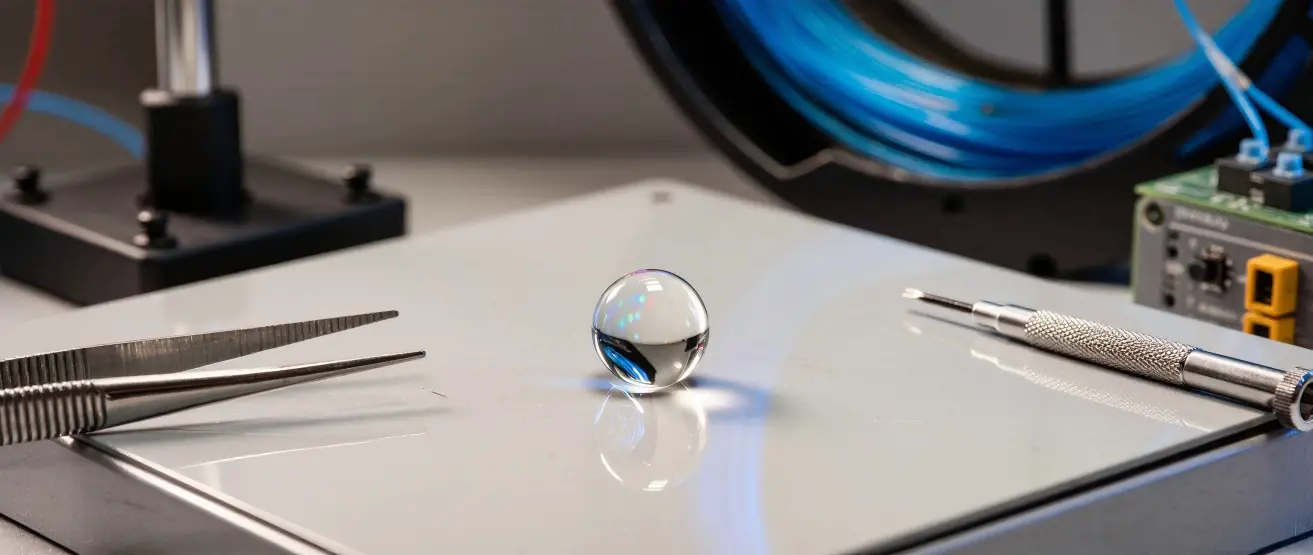
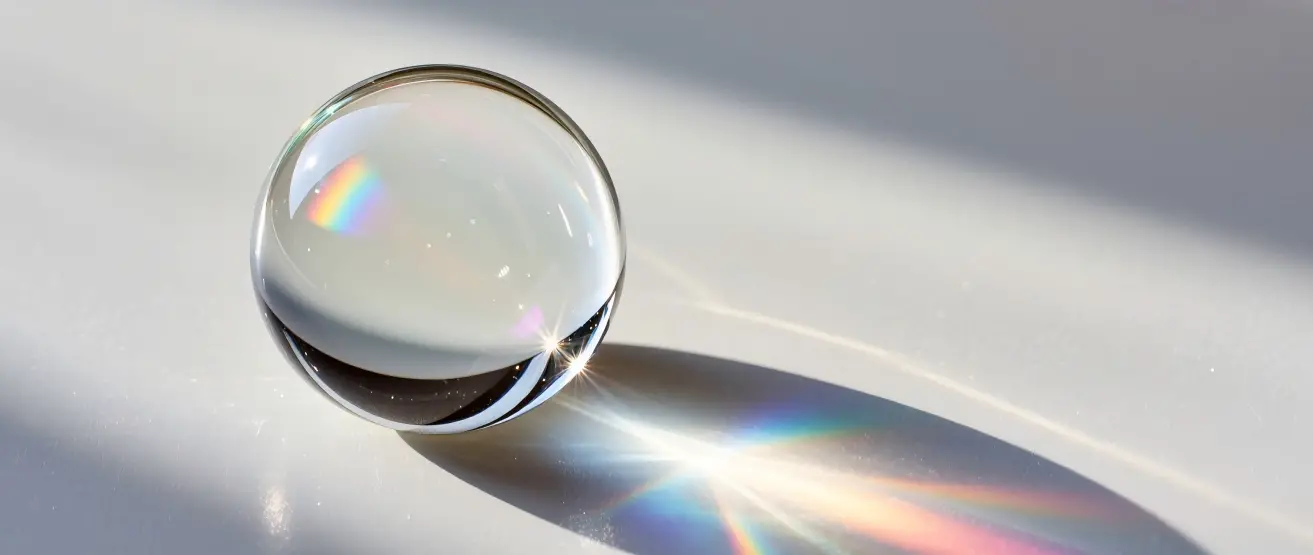
Ball lens is the simplest type of optical lens. The basic principle of ball lens imaging is refraction. When light travels from one medium (such as air) into another medium of different density (such as glass), its direction of propagation changes. The focal length (f) of a ball lens depends on its diameter (D) and the refractive index (n) of the material it is made of. Its approximate formula is: f ≈ D / (4(n-1))

Simple structure and low cost

Their optical characteristics are the same from any direction, with no directionality, making installation convenient.

They can achieve a high numerical aperture (NA) at a very short working distance, thus converging a large amount of light.

Compared to complex lens groups, a solid sphere is less prone to misalignment or damage due to mechanical stress.
Ball lenses are not suitable for systems requiring high-quality imaging (such as camera and microscope objectives), but they are ideal for miniaturized optoelectronic systems that do not require high-quality imaging or have low aberration control.
| Substrate material | K9(CDGM), Sapphire, Si, MgF2, N-BK7, N-BK10, Corining 7980, JGS1, Borofloat 33, ZnSe, ZnS, etc. | Surface Quality | 60/40, 40/20, 20/10, 10/5 |
|---|---|---|---|
| Dimension | 6mm-350mm | Surface fringe | 10(5)-3(0.5) |
| Thickness | 0.5mm-30mm | Coating | Anti-reflection (AR) Coating or upon customer's request |
| Thickness | In general ±0.1mm, Best ±0.02mm | ECOPTIK annual production capacity | over 300,000 pcs |



 en
en
 English