Home / Custom / Optical Components / Optical Mirror / Silver(Ag) Mirror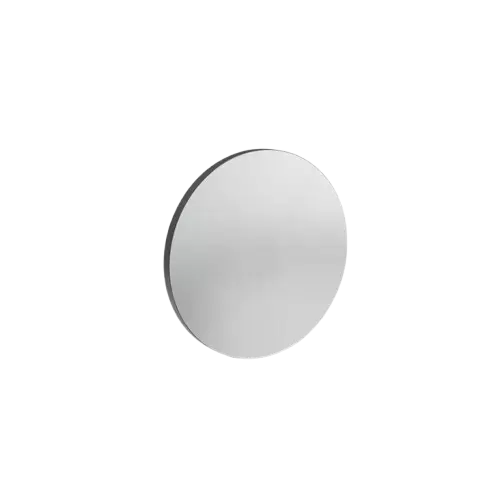
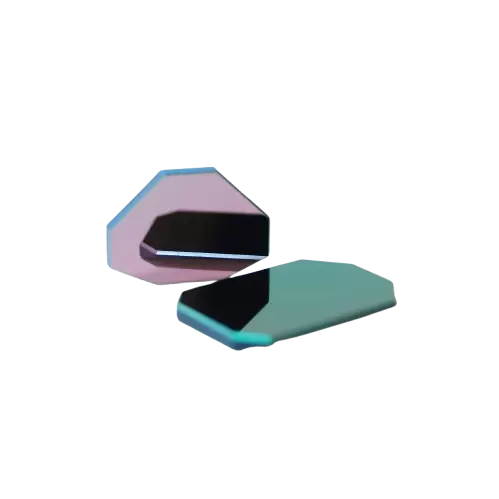
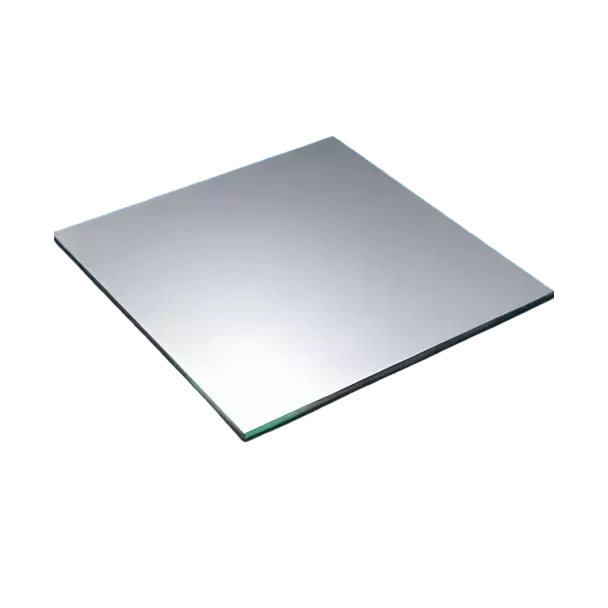
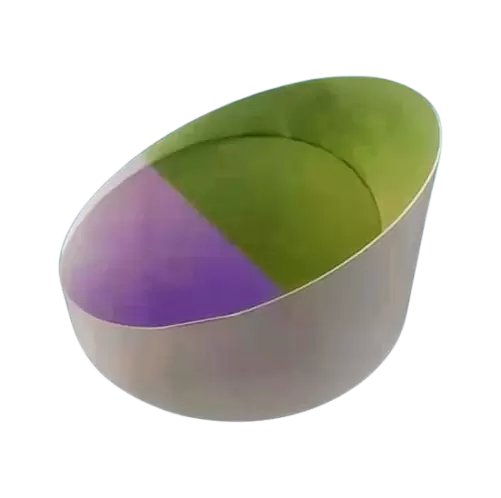
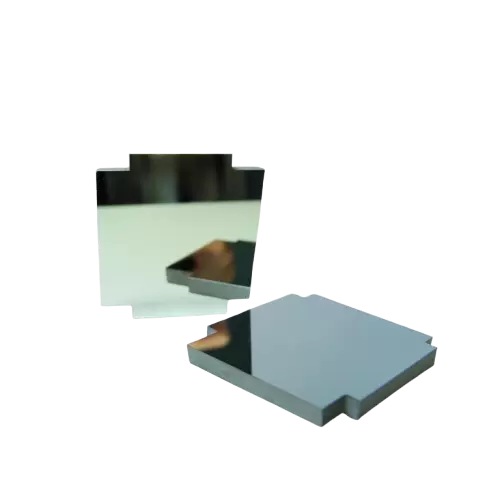
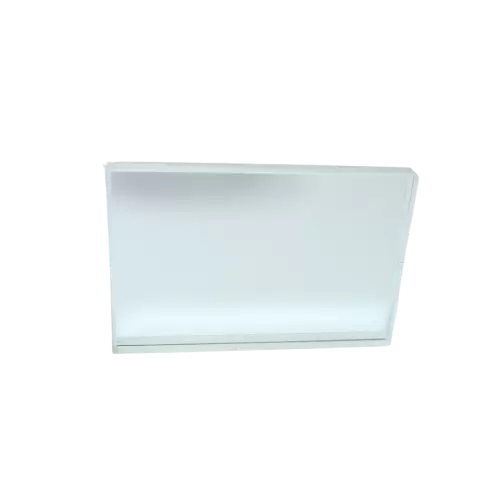
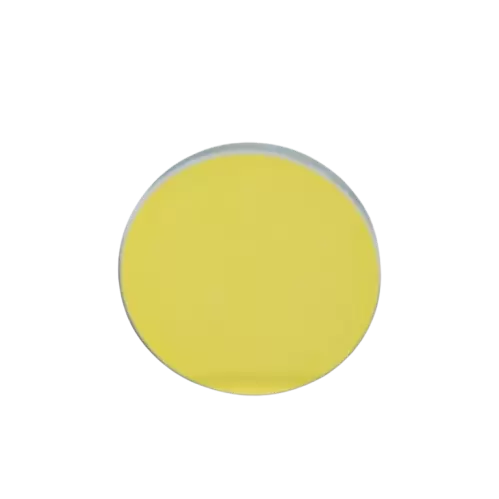
A silver mirror is a type of mirror formed by depositing a layer of pure silver on the surface of an optical substrate (usually glass) using chemical or physical methods, and then covering it with a protective layer. Despite its tendency to oxidize, silver mirrors remain the preferred choice in certain specific fields due to their unparalleled high reflectivity.

-Substrate: Usually optical glass (such as K9, fused silica, etc.), requiring a high surface finish and no defects. -Underlayer: Sometimes a layer of other metal (such as copper) is deposited first as a bonding layer to enhance the adhesion between the silver layer and the glass. -Silver Layer: The core functional layer, formed through physical vapor deposition (PVD).
Silver is heated and evaporated or sputtered onto the substrate in a high vacuum environment. This method can obtain a purer, denser, and higher-performance silver film for use in high-end optics.
To overcome the problem of silver's easy oxidation, one or more protective films must be covered on top of the silver layer. Dielectric Protective Film: In the optical field, a transparent, chemically stable dielectric thin film, such as SiO₂ (silicon dioxide) or Al₂O₃ (alumina), is deposited. These films can effectively block moisture and corrosive gases, extending the life of the lenses.
1. Highest reflectivity in the visible light range. 2. Extremely high reflectivity in the near-infrared band, superior to aluminum. 3. For the same reflectivity, silver mirrors can be made simpler (fewer layers) than dielectric film mirrors.
| Substrate material | K9(CDGM), Sapphire, Si, MgF2, N-BK7, N-BK10, Corining 7980, JGS1, Borofloat 33, ZnSe, ZnS, etc. | Surface Quality | 60/40, 40/20, 20/10, 10/5 |
|---|---|---|---|
| Dimension | 6mm-350mm | Surface fringe | 10(5)-3(0.5) |
| Thickness | 0.5mm-30mm | Coating | Anti-reflection (AR) Coating or upon customer's request |
| Thickness | In general ±0.1mm, Best ±0.02mm | ECOPTIK annual production capacity | over 300,000 pcs |



 en
en
 English