

 en
en
 English
 繁体中文
繁体中文 Japanese
 Korean
 Russian
 German
News
Deepen Optoelectronic Resources, Lead Technological Breakthroughs

Deepen Optoelectronic Resources, Lead Technological Breakthroughs
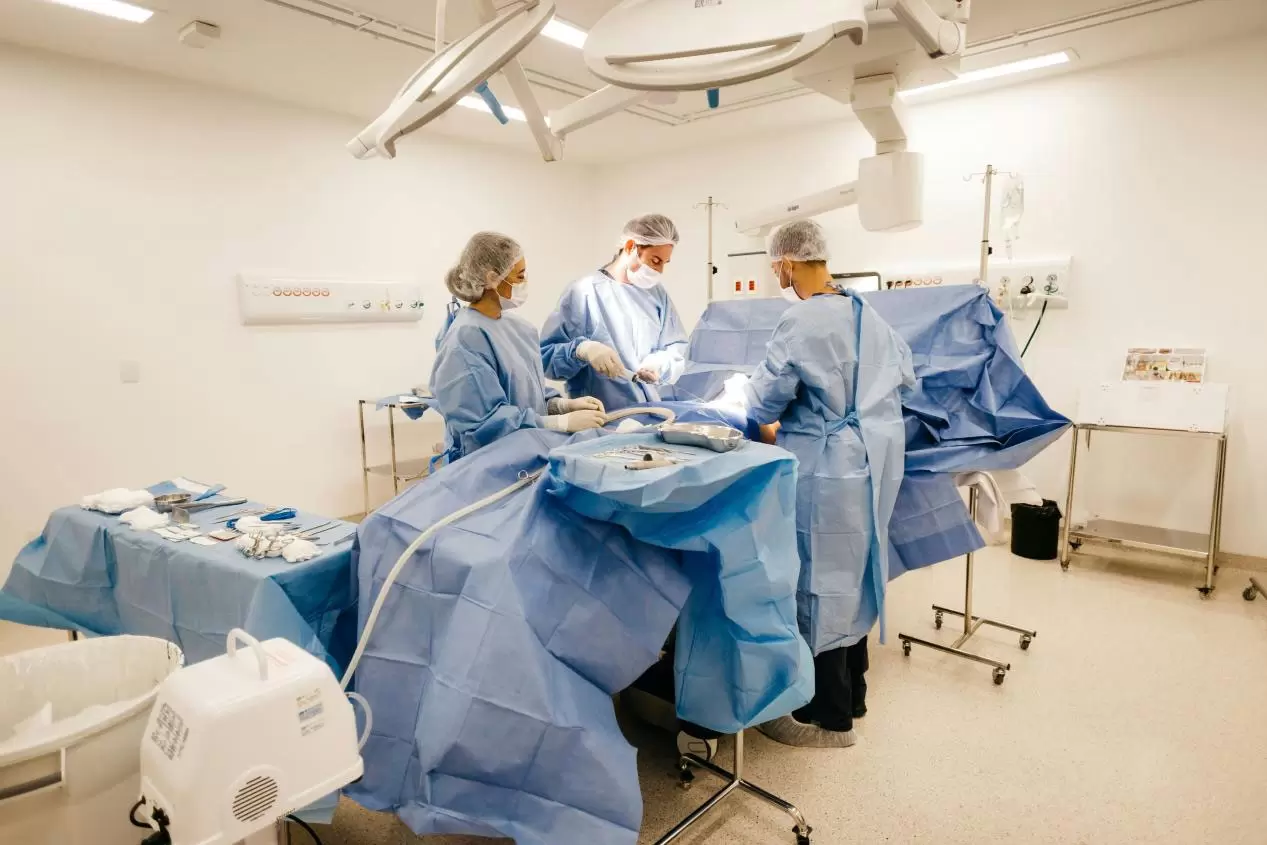
3D endoscope technology has become one of the indispensable and important tools in modern medicine. It enables doctors to observe and manipulate organs and tissues in the patient's body in real-time during surgery by utilizing advanced optical and imaging technologies.
1. Working principle of 3D endoscope
1. Optical principle:
The 3D endoscope uses optical imaging technology. It consists of a small optical lens, fiber optic bundle, camera, and display screen. The optical lens transmits light to the camera through a fiber optic bundle, which converts the light into electrical signals and transmits them to the display screen for real-time observation.
2. Principle of Stereoscopic Imaging:
The 3D endoscope utilizes the principle of stereoscopic imaging to observe three-dimensional images. It has two cameras installed on the optical lens, which are at a certain distance. By combining the images captured by two cameras, a stereoscopic image can be obtained, allowing doctors to observe the location and morphology of lesions more clearly.
2. The application of 3D endoscope
1. Laparoscopic surgery:
3D endoscopy has been widely used in laparoscopic surgery. Traditional laparoscopic surgery uses a 2D endoscope, and doctors can only observe flat images, making it difficult to accurately determine the depth and distance of organs. 3D endoscopes can provide more realistic and clear stereoscopic images, enabling doctors to perform surgical operations more accurately and reduce surgical risks.
2. Thoracoscopic surgery:
3D endoscopy also has important applications in thoracoscopic surgery. Thoracoscopic surgery requires operation in a very narrow space, and traditional 2D endoscopes cannot provide sufficient spatial perception ability. 3D endoscopes can provide more three-dimensional images, allowing doctors to more accurately locate and manipulate the affected area, improving the success rate and safety of surgery.
3. Gastroscopy examination:
Gastroscopy is one of the common endoscopic examinations. Traditional gastroscopy uses a 2D endoscope, and doctors can only observe flat images, which has certain limitations in the diagnosis of gastric lesions. 3D endoscopes can provide more realistic and clear stereoscopic images, allowing doctors to more accurately determine the location and degree of lesions and improve diagnostic accuracy.
The emergence of 3D endoscope technology has brought revolutionary changes to the medical field. It enables doctors to observe and manipulate organs and tissues in the patient's body in real-time during surgery by utilizing advanced optical and imaging technologies. 3D endoscopy has been widely used in fields such as laparoscopic surgery, thoracoscopy, and gastroscopy, providing doctors with more accurate and safe surgical procedures and diagnostic judgments. With the continuous development of technology, it is believed that the application of 3D endoscope technology in the medical field will become increasingly widespread, bringing better treatment effects to patients.
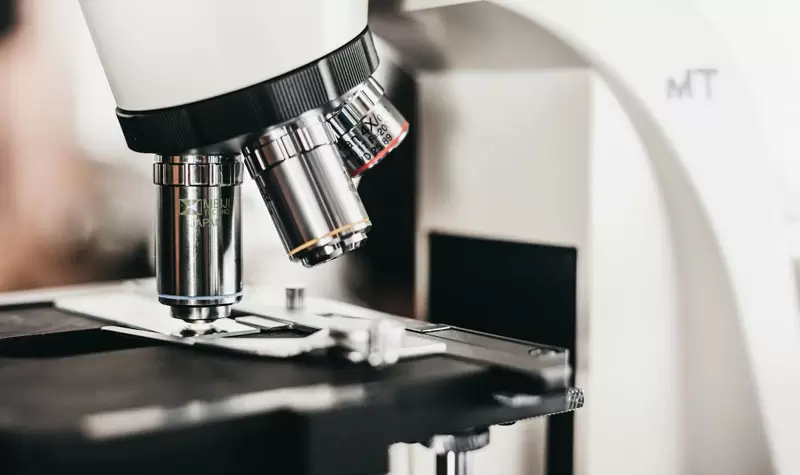
The objective lens is the most important optical component of a microscope, which uses light to image the object for the first time. Therefore, it directly affects the quality of imaging and various optical technical parameters, and is the primary standard for measuring the quality of a microscope.
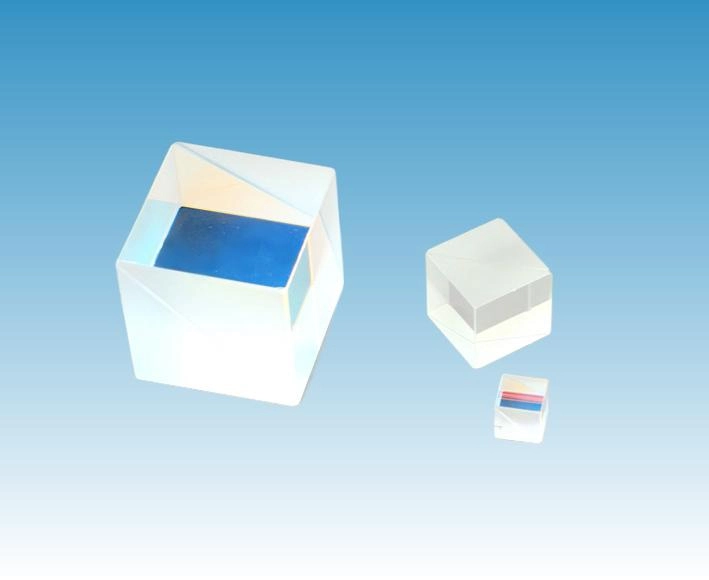
The cubic spectroscopic prism is an optical component with special geometric shape and optical properties, which is usually used for spectral analysis, refraction or changing the direction of light propagation.
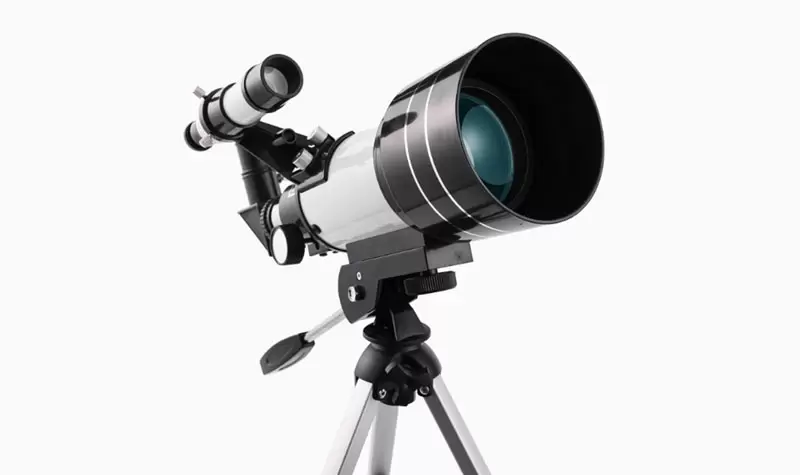
A reflective telescope is a telescope that uses the principle of reflection to image, and its imaging principle and optical path are different from those of a refracting telescope. Reflective telescopes use convex lens to reflect light, and then project an image through a small lens placed at the focal point, thereby achieving the function of magnifying distant objects.