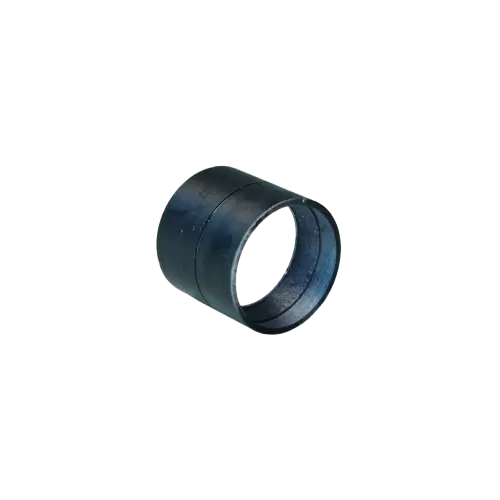
在精密光學系統中,單一鏡頭可能無法對色差、影像品質和光路要求提供足夠的控制。使用多個獨立鏡頭可以提高光學性能,但也會增加組裝複雜性並引入額外的對準誤差和空氣玻璃介面。
In precision optical systems, a single lens may not provide sufficient control over chromatic aberration, image quality, and optical path requirements. Using multiple independent lenses can improve optical performance, but it also increases assembly complexity and introduces additional alignment errors and air-glass interfaces.
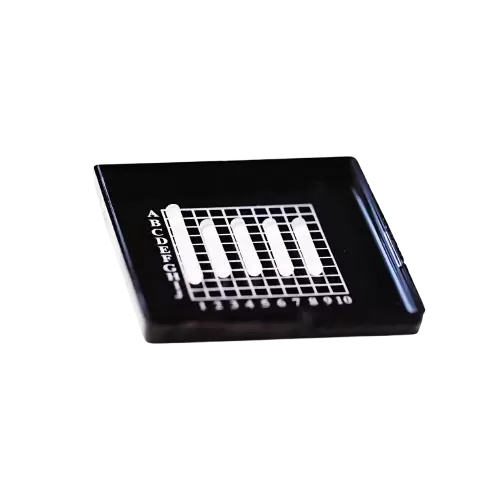
In precision optical systems, conventional lenses do not always provide the beam geometry or mechanical dimensions required by a specific application. Some optical designs need one-dimensional focusing, while others require compact components that fit within narrow mechanical assemblies. In these situations, a Precision Rod Lens offers a practical solution for line focusing, beam shaping, and optical integration.
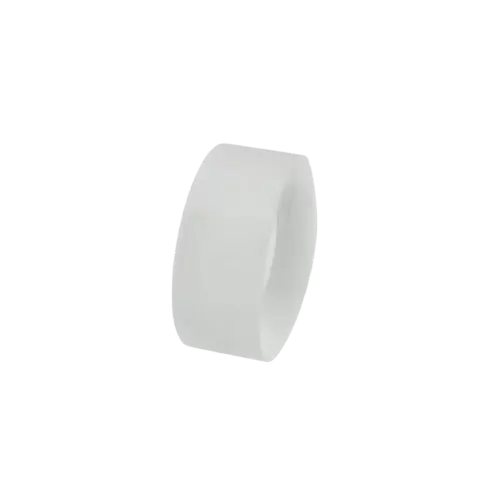
A precision optical system can lose image quality even when individual lens elements meet their nominal specifications. Spherical aberration can reduce focusing accuracy, while off-axis aberrations such as coma may affect image definition across the field of view. In many applications, these problems are related not only to the optical materials used but also to the curvature, orientation, and positioning of individual elements within the complete optical assembly.
Bei optischen Präzisionssystemen hängt die Bildqualität nicht nur von der Qualität der einzelnen Linsen ab, sondern auch davon, wie jedes optische Element mit dem Rest der Baugruppe interagiert. Konventionelle sphärische Linsenkombinationen können zu sphärischer Aberration und Koma führen, insbesondere bei anspruchsvollen Bildgebungsanwendungen.
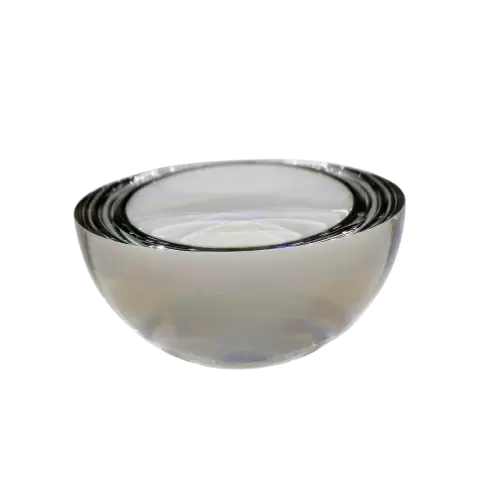
In optischen Präzisionssystemen können selbst kleine optische Verluste oder Maßabweichungen die Gesamtsystemleistung beeinträchtigen. Glasfaserkommunikationsgeräte, Lasermodule und fortschrittliche Bildgebungsinstrumente stehen häufig vor Herausforderungen wie Kopplungsverlust zwischen Lichtquellen und optischen Fasern, begrenztem Installationsraum, Strahldivergenz und Ausrichtungsschwierigkeiten. Herkömmliche optische Komponenten bieten möglicherweise nicht immer die Geometrie, die für eine kompakte Integration und effiziente Lichtsammlung erforderlich ist.


 en
 English
 繁体中文
 Japanese
 Korean
 Russian
 German